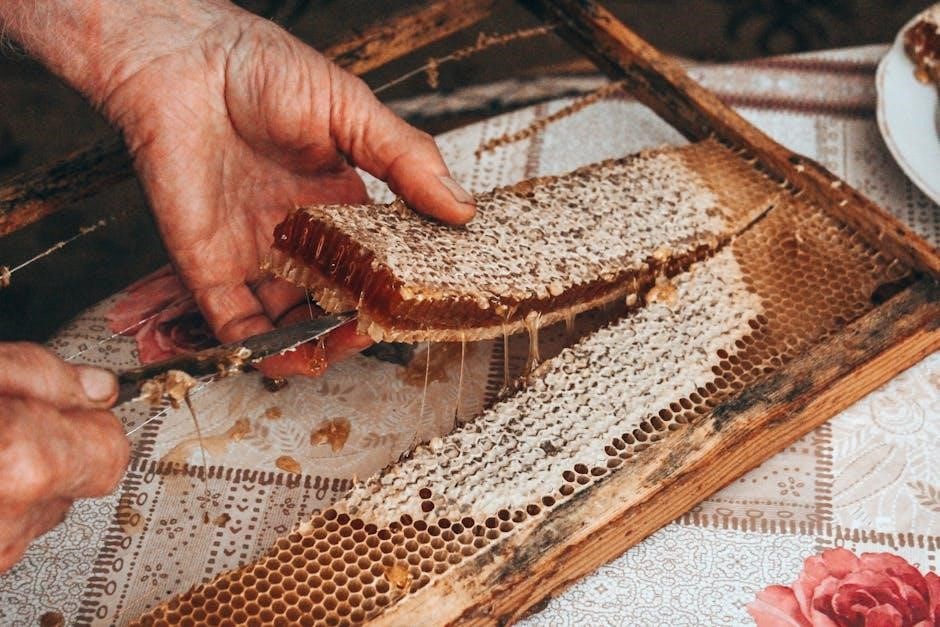
Honeyguide Bird: A Comprehensive Guide
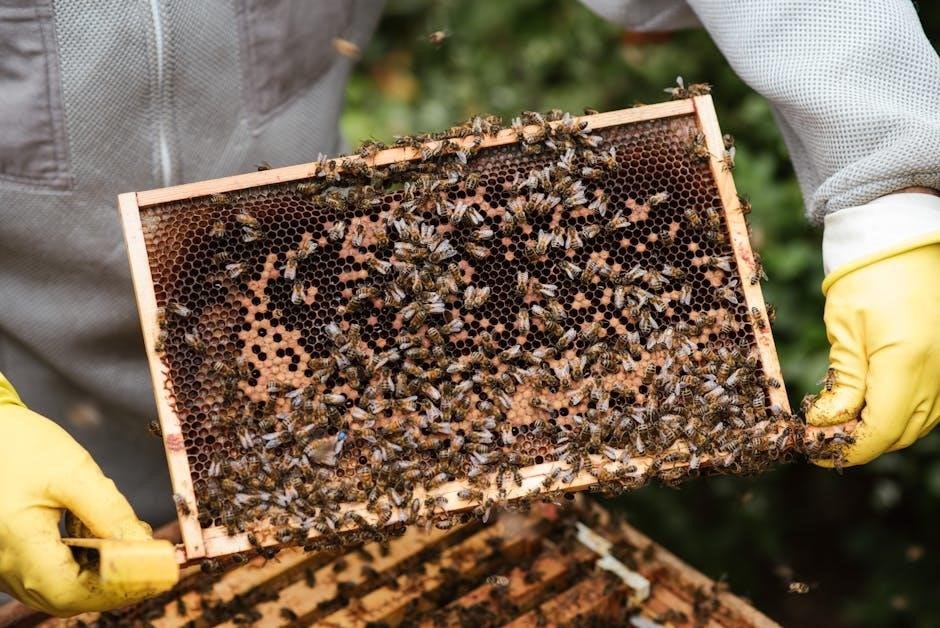
Honeyguides‚ fascinating birds of Africa and Asia‚ exhibit a remarkable interspecies collaboration with humans‚ expertly leading them to hidden honeybee nests for mutual benefit.
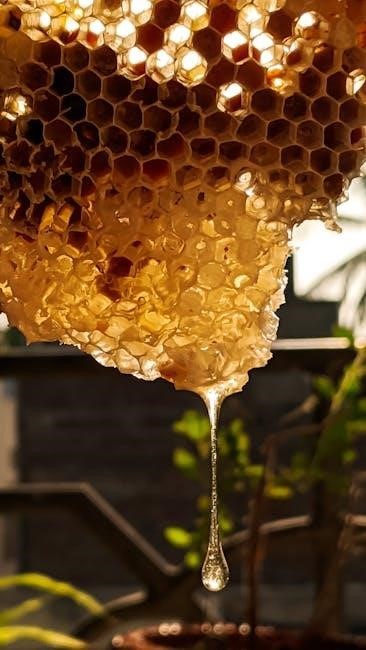
Honeyguides represent a truly unique avian family – Indicatoridae – comprising sixteen species renowned for their extraordinary partnership with both humans and honeybees. These remarkable birds‚ often called indicator birds or honey birds‚ inhabit diverse landscapes across Africa and Asia‚ playing a pivotal ecological role. Their name stems from their exceptional ability to locate beehives‚ not for their own exclusive consumption‚ but to guide others – notably humans – to these valuable resources.
This fascinating behavior‚ documented for centuries and recently illuminated by modern research‚ showcases an intricate interplay between species. Communities in regions like northern Mozambique heavily rely on honeyguides‚ with studies revealing that three-quarters of collected honey is found through their assistance. The mystery surrounding how these birds learned to collaborate with humans continues to intrigue scientists‚ with theories suggesting an innate‚ inherited behavior.
What are Honeyguide Birds?
Honeyguide birds are medium-sized‚ often brightly colored birds belonging to the family Indicatoridae‚ within the order Piciformes – which also includes woodpeckers. They aren’t directly involved in constructing nests themselves‚ but instead exploit the work of bees‚ locating their hives with remarkable accuracy. Their defining characteristic is their symbiotic relationship with humans‚ leading them to honey stores‚ and also feeding on beeswax‚ bee larvae‚ and pupae.
Interestingly‚ honeyguides possess a unique digestive system capable of processing beeswax‚ a feat few other birds can accomplish. This adaptation allows them to utilize a resource unavailable to most avian species. The interaction between honeyguides‚ humans‚ and honeybees is a complex example of mutualism‚ where all parties potentially benefit. Researchers continue to investigate the nuances of this ancient and fascinating collaboration‚ particularly in areas like Mozambique.
Taxonomy and Classification
Honeyguides comprise the family Indicatoridae‚ encompassing sixteen distinct species globally. They are classified within the order Piciformes‚ sharing this order with woodpeckers‚ toucans‚ and barbets – a grouping based on zygodactyl feet (two toes pointing forward and two backward). Historically‚ their precise placement within the avian family tree has been debated‚ but modern molecular studies firmly establish their position within Piciformes.
The family is divided into two main groups: African honeyguides and Asian honeyguides‚ reflecting their geographical distribution. Genera include Indicator‚ encompassing most species‚ and Melignospiza‚ containing only the Black-throated Honeyguide. Understanding their taxonomic relationships is crucial for conservation efforts‚ allowing researchers to track population dynamics and assess the unique evolutionary history of these remarkable birds and their fascinating behaviors.
Physical Characteristics of Honeyguides
Honeyguides are generally small birds‚ ranging in size from 15 to 25 centimeters (6 to 10 inches) in length. Their plumage varies considerably between species‚ but often features a combination of grey‚ brown‚ and white‚ providing effective camouflage within their woodland habitats. A distinctive feature is their broad‚ flattened bill‚ perfectly adapted for tearing into bark and beeswax.
Many species exhibit sexual dimorphism‚ with males displaying brighter coloration than females. Their legs and feet are strong‚ enabling them to perch securely on branches while foraging. Interestingly‚ honeyguides possess a remarkably strong digestive system‚ capable of processing beeswax – a trait uncommon among birds. This adaptation allows them to consume the wax from honeybee nests‚ alongside the honey and larvae‚ contributing to their unique dietary niche.
Geographical Distribution and Habitat
Honeyguides are primarily found across sub-Saharan Africa and southern Asia‚ inhabiting a diverse range of woodland‚ savanna‚ and forest ecosystems. Their distribution closely correlates with the presence of honeybee colonies‚ their primary food source. In Africa‚ they occupy vast areas‚ from the dense rainforests of central Africa to the more open woodlands of the south.
Asian honeyguides have a more restricted range‚ mainly concentrated in India‚ Southeast Asia‚ and parts of Indonesia. These birds demonstrate adaptability‚ thriving in both primary and secondary forests‚ as well as areas with significant human presence. They generally avoid arid environments‚ preferring habitats with sufficient vegetation and access to water sources‚ crucial for both bee populations and their own survival.
African Honeyguides: Primary Locations
Honeyguides are widely distributed throughout sub-Saharan Africa‚ with significant populations in eastern and southern regions. Mozambique’s Niassa Special Reserve stands out as a key location‚ where documented collaboration between honeyguides and local honey hunters has been extensively studied. Tanzania‚ Zambia‚ and Zimbabwe also harbor substantial honeyguide populations‚ benefiting from diverse woodland and savanna habitats.
Further west‚ these birds are prevalent in countries like Malawi and parts of Angola. Their presence is strongly linked to areas with thriving bee colonies‚ often found near flowering trees and water sources. The specific species present vary geographically‚ but the Greater Honeyguide is commonly found across much of the continent‚ while the Lesser Honeyguide occupies more localized areas.
Asian Honeyguides: Range and Environment
Honeyguides in Asia exhibit a more restricted range compared to their African counterparts‚ primarily inhabiting regions of Southeast Asia and the Indian subcontinent. These birds are commonly found in countries like India‚ Sri Lanka‚ Myanmar‚ Thailand‚ and Indonesia‚ favoring tropical and subtropical forests.
Their preferred environments include dense woodlands‚ bamboo forests‚ and areas with abundant flowering plants‚ crucial for supporting bee populations. The Scaly Honeyguide is a prominent species in this region‚ adapting well to varied forest types. Unlike the strong human-honeyguide partnership observed in Africa‚ collaboration in Asia is less documented‚ though interactions likely occur. The availability of suitable nesting sites within tree cavities also influences their distribution.
The Unique Relationship with Humans
The connection between honeyguide birds and humans is a captivating example of interspecies communication and cooperation‚ most notably observed in African communities. For centuries‚ traditional honey hunters have relied on these birds to locate wild beehives‚ a practice deeply embedded in local cultures.
This isn’t simply a case of humans following birds; it’s a complex‚ learned behavior on both sides. The honeyguide actively seeks out humans‚ vocalizing and flying in a specific manner to attract their attention‚ then leading them—often over considerable distances—to the bees’ nests. This mutually beneficial arrangement provides humans with honey and the bird access to beeswax‚ a crucial part of its diet. The innate nature of this behavior continues to fascinate researchers.
Honey Hunting and Honeyguide Collaboration
Honey hunting‚ a traditional practice in many African communities‚ is inextricably linked with the assistance of honeyguide birds. Hunters often employ specific calls to summon the birds‚ initiating the collaborative process. Once a honeyguide responds‚ it begins to fly purposefully‚ frequently glancing back to ensure the hunter follows.
This isn’t a passive escort; the bird actively guides the hunter through the landscape‚ navigating dense forests and challenging terrain. The journey can be lengthy‚ sometimes spanning kilometers‚ demonstrating the honeyguide’s remarkable navigational skills and commitment. Communities in northern Mozambique heavily rely on this partnership‚ with studies showing three-quarters of collected honey is found with honeyguide assistance‚ highlighting its economic importance.
How Honeyguides Lead Humans to Honey
Honeyguides employ a unique method of guidance‚ flying ahead and emitting distinctive calls to maintain contact with their human partners. They don’t simply head towards any beehive; they seem to assess the quality and accessibility‚ potentially avoiding dangerous nests. Crucially‚ they frequently look back‚ pausing to ensure the hunter remains on course‚ a behavior suggesting intentional communication.
Researchers believe this isn’t learned behavior‚ but rather an innate ability‚ passed down through generations. The birds lead hunters through complex environments‚ demonstrating an understanding of the landscape and hive locations. This remarkable partnership‚ observed particularly in Mozambique‚ showcases a long-standing‚ mutually beneficial relationship between humans and these intelligent avian guides‚ unlocking access to valuable honey resources.
The Evolutionary Basis of this Behavior
The remarkable collaboration between honeyguides and humans likely evolved over centuries‚ driven by mutual benefit. Honeyguides gain access to beeswax‚ a difficult-to-digest food source they uniquely process‚ by leading humans to hives. Humans‚ in turn‚ obtain honey‚ a valuable energy source‚ with the bird’s assistance.
The innate nature of this behavior suggests a strong genetic component‚ honed by natural selection. It’s theorized that birds leading humans to hives had a higher reproductive success‚ passing on this trait. This isn’t altruism; it’s a form of reciprocal exploitation. The birds benefit from the human’s ability to break open hives‚ accessing larvae and wax otherwise unavailable. This co-evolutionary relationship highlights a fascinating example of interspecies cooperation.
Honeyguide Diet and Feeding Habits
While famously known for leading humans to honey‚ the honeyguide’s diet is surprisingly diverse. They aren’t solely reliant on honey‚ and actively forage for insects‚ larvae‚ and pupae within beehives. A crucial component of their diet is beeswax‚ a substance most birds cannot digest. Honeyguides‚ however‚ possess a specialized digestive system capable of breaking down and utilizing this waxy substance for energy.
They consume bee larvae and pupae directly from the comb‚ supplementing their intake with the honey itself. This unique adaptation allows them to exploit a food source unavailable to most other avian species. Their feeding habits demonstrate a remarkable specialization‚ intricately linked to their symbiotic relationship with both bees and‚ notably‚ human honey hunters.
Beyond Honey: What Else Do They Eat?
Despite their name and reputation‚ honey isn’t the sole sustenance for honeyguide birds. Their diet is remarkably opportunistic and includes a wide array of invertebrates. They readily consume the larvae and pupae found within beehives‚ representing a significant protein source. Beyond bees‚ honeyguides actively forage for beetles‚ caterpillars‚ and other insects‚ demonstrating a flexible feeding strategy.
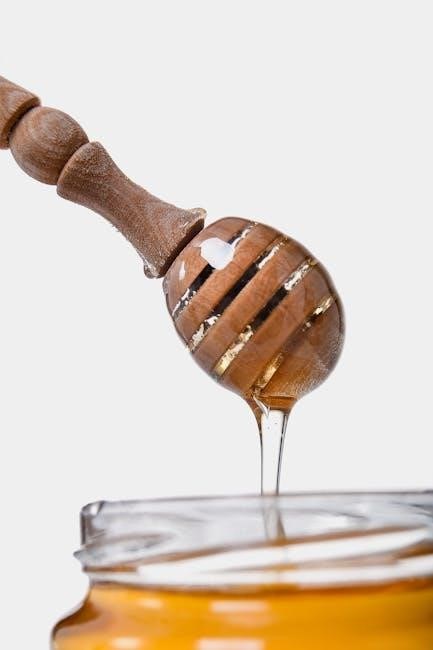
They’ve even been observed preying on the eggs and nestlings of other birds‚ showcasing a somewhat predatory side to their behavior. This dietary breadth allows them to thrive in diverse environments and adapt to fluctuating food availability. Essentially‚ while honey is a favored treat‚ honeyguides are resourceful omnivores‚ capitalizing on various insect sources.
Digesting Beeswax: A Specialized Adaptation
Honeyguide birds possess a truly unique physiological adaptation: the ability to digest beeswax. This remarkable feat sets them apart from nearly all other avian species‚ as beeswax is notoriously difficult to break down. Their digestive system contains specialized bacteria within the gut that facilitate the breakdown of the long-chain hydrocarbons composing beeswax.
This allows them to extract energy from a resource unavailable to most other birds. Consuming beeswax provides a valuable source of fat and other nutrients‚ particularly during times when other food sources are scarce. This adaptation is crucial to their survival‚ enabling them to fully exploit the resources available within beehives‚ beyond just the honey and larvae.
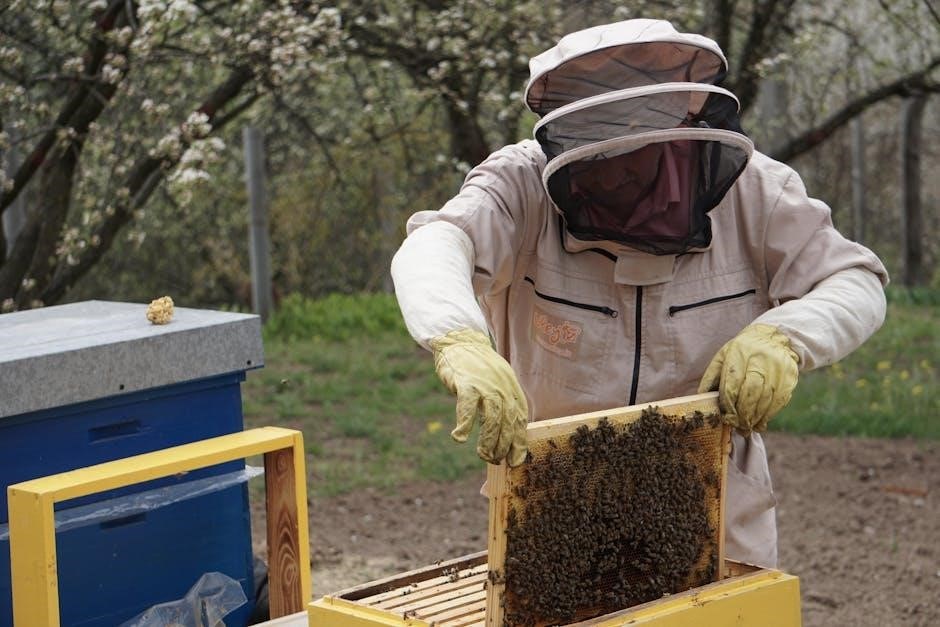
Honeyguide Behavior and Communication
Honeyguide birds demonstrate complex behaviors‚ particularly regarding their interactions with humans during honey hunting. Their communication relies heavily on a distinctive‚ chattering call‚ often described as a “tsip-tsip” sound‚ used to attract the attention of potential human partners; This vocalization intensifies as they fly towards a beehive‚ persistently guiding the hunter.
Beyond vocalizations‚ their flight patterns are also communicative. They’ll repeatedly circle and perch‚ looking back at the human to ensure they are following. This persistent guidance suggests an innate understanding of the human’s need for visual cues. The birds exhibit remarkable patience‚ continuing to lead even when faced with challenging terrain.
Vocalizations and Calls
Honeyguide vocalizations are central to their unique partnership with humans. The most recognizable call is a repetitive‚ buzzing “tsip-tsip” or “chiz-chiz” sound‚ specifically employed when leading hunters to beehives. This isn’t a random noise; it’s a deliberate attempt to solicit a response and maintain the human’s attention throughout the journey.
Interestingly‚ the intensity and frequency of these calls increase as the bird nears the target nest‚ acting as a directional beacon. Researchers believe variations in these calls might even convey information about the hive’s distance or quality. Beyond the guiding call‚ honeyguides also utilize other vocalizations for general communication‚ including contact calls and alarm signals‚ demonstrating a complex vocal repertoire.
Nesting and Breeding Habits
Honeyguide nesting habits are notably parasitic. Unlike most birds‚ they don’t construct their own nests; instead‚ they lay their eggs in the cavities of other birds‚ particularly woodpeckers and barbets. This behavior necessitates a keen ability to locate suitable nest holes‚ often utilizing their foraging skills honed during honey-hunting collaborations.

Females typically lay 2-4 eggs per clutch‚ relying on the host parents to incubate them and raise the chicks. Honeyguide chicks are remarkably fast-growing and often evict the host’s own eggs or chicks to secure all the resources. Breeding season varies geographically‚ but generally coincides with the rainy season when food is most abundant. The young fledge approximately three weeks after hatching‚ quickly developing the skills needed for their unique lifestyle.
Conservation Status and Threats
Currently‚ most honeyguide species are listed as “Least Concern” by the IUCN‚ but increasing threats pose risks to their long-term survival. The primary danger stems from habitat loss due to deforestation and agricultural expansion‚ diminishing both nesting sites and foraging grounds. This impacts not only the birds themselves but also disrupts the traditional honey-hunting practices they rely upon.
Furthermore‚ unsustainable honey harvesting and the decline of bee populations directly affect honeyguides‚ as their food source diminishes. Changes in traditional land management practices and reduced collaboration between humans and honeyguides also contribute to their vulnerability. Conservation efforts focus on protecting key habitats‚ promoting sustainable beekeeping‚ and preserving the cultural practices that benefit both humans and these remarkable birds.
Current Conservation Efforts
Conservation initiatives are increasingly focused on protecting honeyguide habitats‚ particularly in northern Mozambique‚ where the human-bird collaboration is strongest. These efforts involve working with local communities to promote sustainable forestry and beekeeping practices‚ ensuring a continued food source for both honeyguides and humans. Researchers are also studying the intricacies of the honey-hunting relationship to better understand how to maintain it.
Furthermore‚ programs are underway to educate local populations about the importance of honeyguide conservation and the benefits of preserving traditional ecological knowledge. Supporting community-based natural resource management and mitigating habitat loss through responsible land-use planning are crucial components of these ongoing efforts‚ aiming to secure a future for these unique birds.
Impact of Habitat Loss
Habitat destruction poses a significant threat to honeyguide populations‚ primarily due to deforestation and agricultural expansion across their African and Asian ranges. The loss of mature woodlands and forests directly reduces nesting sites and foraging opportunities for these specialized birds. Consequently‚ the disruption of the natural ecosystem impacts the delicate balance of the human-honeyguide collaborative relationship.
As forests diminish‚ honeyguides struggle to find suitable nesting locations and sufficient food resources‚ leading to population declines. This habitat loss also affects the availability of honeybee colonies‚ further jeopardizing the birds’ food supply and their ability to effectively guide humans to honey sources‚ ultimately impacting traditional practices.
Different Species of Honeyguides
The honeyguide family (Indicatoridae) comprises sixteen distinct species‚ each exhibiting unique characteristics and behaviors. The Greater Honeyguide (Indicator indicator) is perhaps the most well-known‚ frequently involved in human-directed honey-hunting collaborations across Africa. Conversely‚ the Lesser Honeyguide (Indicator minor) displays a more generalized foraging strategy‚ less reliant on human assistance.
The Scaly Honeyguide (Indicator variegatus) presents a fascinating case‚ often parasitizing bee colonies and consuming bee larvae and wax. These variations in foraging techniques and levels of human interaction highlight the diversity within the family. Understanding these differences is crucial for targeted conservation efforts‚ ensuring the survival of each honeyguide species.
Greater Honeyguide (Indicator indicator)
The Greater Honeyguide (Indicator indicator) stands out as the most prominent species in the fascinating relationship between humans and honeyguides. This bird actively seeks out human collaborators‚ leading them to honeybee nests with remarkable precision. Its behavior isn’t random; it’s a learned‚ yet seemingly innate‚ strategy for accessing beeswax‚ a dietary staple it uniquely digests.
Researchers believe this collaboration evolved over centuries‚ benefiting both species. Humans gain access to honey‚ while the Greater Honeyguide feasts on the beeswax and larvae left behind. Found across sub-Saharan Africa‚ its distinctive calls and flight patterns signal the location of valuable honey resources‚ making it a vital component of local ecosystems and traditional practices.
Lesser Honeyguide (Indicator minor)
The Lesser Honeyguide (Indicator minor) presents a more subtle interaction with humans compared to its greater counterpart. While still participating in the honey-hunting partnership‚ its collaboration appears less consistent and demonstrative. This species‚ found throughout much of sub-Saharan Africa‚ often relies on opportunistic encounters with honey hunters rather than actively seeking them out.
Unlike the Greater Honeyguide’s bold leading behavior‚ the Lesser Honeyguide’s guidance can be more indirect‚ requiring hunters to interpret its calls and flight paths. It also consumes beeswax and bee larvae‚ showcasing a similar dietary adaptation. Understanding the nuances of this species’ behavior is crucial for appreciating the full spectrum of honeyguide-human interactions and their ecological significance.
Scaly Honeyguide (Indicator variegatus)
The Scaly Honeyguide (Indicator variegatus) distinguishes itself through a unique parasitic breeding strategy‚ differing significantly from the honey-hunting collaboration seen in other species. Instead of guiding humans to honey‚ this honeyguide specializes in laying its eggs in the nests of woodpeckers and barbets‚ leaving the host birds to raise its young. This behavior demonstrates a fascinating divergence within the honeyguide family.
While it still consumes beeswax and bee larvae‚ its interaction with humans is minimal‚ lacking the intentional leading observed in the Greater and Lesser Honeyguides. Its scaly plumage provides excellent camouflage‚ aiding its secretive lifestyle. Studying the Scaly Honeyguide offers valuable insights into the evolutionary pathways within the Indicatoridae family and the diverse strategies employed by these remarkable birds.
Cultural Significance of Honeyguides
Honeyguides hold a prominent place in the folklore and traditional practices of many African communities‚ particularly those involved in honey hunting. For centuries‚ these birds have been recognized not merely as avian creatures‚ but as knowledgeable guides and symbols of cooperation between humans and nature. Local stories often depict honeyguides as possessing intelligence and a willingness to assist those who respect the forest.
Traditional honey-hunting rituals frequently incorporate calls and offerings intended to attract and appease the honeyguide‚ acknowledging its crucial role in locating valuable honey resources. This deep-rooted cultural connection highlights the long-standing symbiotic relationship and the bird’s integral place within the social and economic lives of these communities‚ demonstrating a profound respect for this unique species.
Honeyguides in Local Folklore
Honeyguides are deeply embedded in the oral traditions and belief systems of numerous African cultures‚ frequently appearing as characters in myths and legends. Often portrayed as clever and resourceful‚ these birds are not simply seen as animals‚ but as possessing a degree of sentience and a willingness to help humans. Stories recount how the honeyguide willingly leads individuals to honey‚ sometimes even scolding them if they attempt to deceive it or take more than their share.
These narratives reinforce the importance of reciprocity and respect for the natural world. Some folklore suggests the honeyguide was once human‚ transformed as punishment or reward‚ forever bound to guide those worthy of its assistance. These tales demonstrate a long history of observation and a profound understanding of the honeyguide’s unique behavior.
The Role of Honeyguides in Traditional Practices
For centuries‚ communities in regions like northern Mozambique have integrated honeyguide-assisted honey hunting into their traditional practices. This isn’t merely opportunistic foraging; it’s a culturally significant activity often accompanied by specific rituals and protocols. Hunters often offer a small portion of the honey collected back to the forest as a gesture of thanks to the honeyguide‚ acknowledging its crucial role in the process.
The practice is often passed down through generations‚ with experienced hunters teaching younger ones how to interpret the bird’s calls and follow its flight path. This interspecies collaboration isn’t just about obtaining honey; it’s about maintaining a harmonious relationship with the environment and respecting the wisdom of the natural world‚ deeply woven into the fabric of their societal norms.