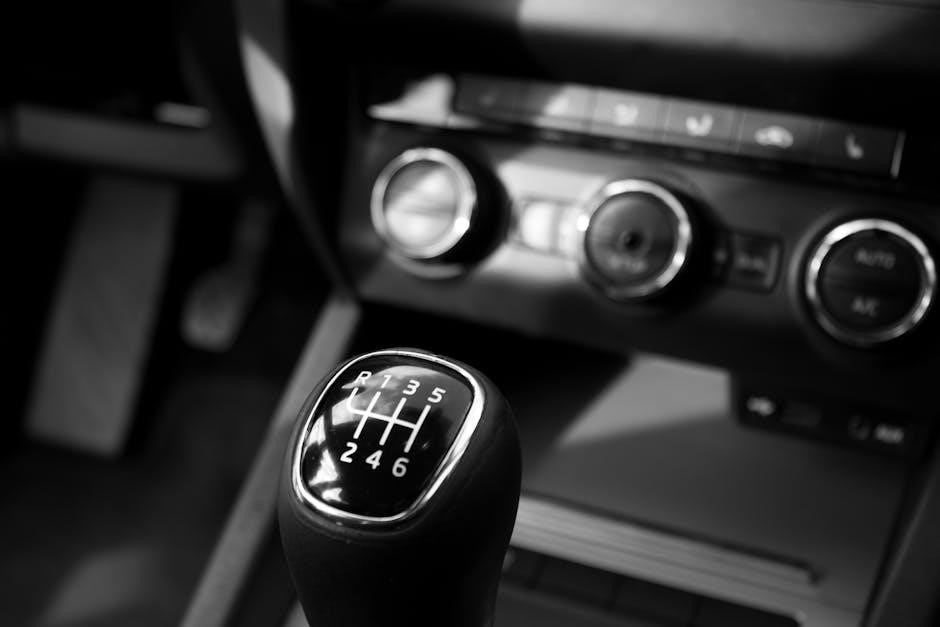
Learning to drive a manual car offers increased control and engagement, demanding coordination of clutch, gas, and gear lever for a rewarding driving experience.
Mastering the “biting point” and smooth gear changes are key, alongside understanding rev matching and avoiding common pitfalls like stalling or riding the clutch.
Why Learn Manual?
Embarking on manual transmission driving lessons unlocks a unique connection with your vehicle. Beyond simply getting from point A to B, you gain a deeper understanding of how a car functions, fostering increased driver engagement and control.
While automatic transmissions dominate, mastering a manual provides invaluable skills – particularly beneficial in emergency situations or when needing precise vehicle control. It’s a skill that builds confidence and offers a more immersive driving experience.
Furthermore, manual cars often present a lower purchase price and can be more fuel-efficient, offering long-term cost savings. Learning manual isn’t just about driving; it’s about understanding the mechanics and enjoying the road.
Understanding the Components
A manual transmission car differs significantly from an automatic, primarily through the inclusion of a clutch pedal and a gear stick. The clutch disengages the engine from the wheels, allowing gear changes. The gear stick selects different gear ratios, impacting speed and power.
The gas pedal controls engine speed (RPM), while the brake pedal slows or stops the vehicle. Understanding the tachometer – displaying RPM – is crucial for smooth shifting and avoiding stalls.
The handbrake secures the car when parked and assists hill starts. Familiarizing yourself with these components before driving is essential for a successful learning experience.
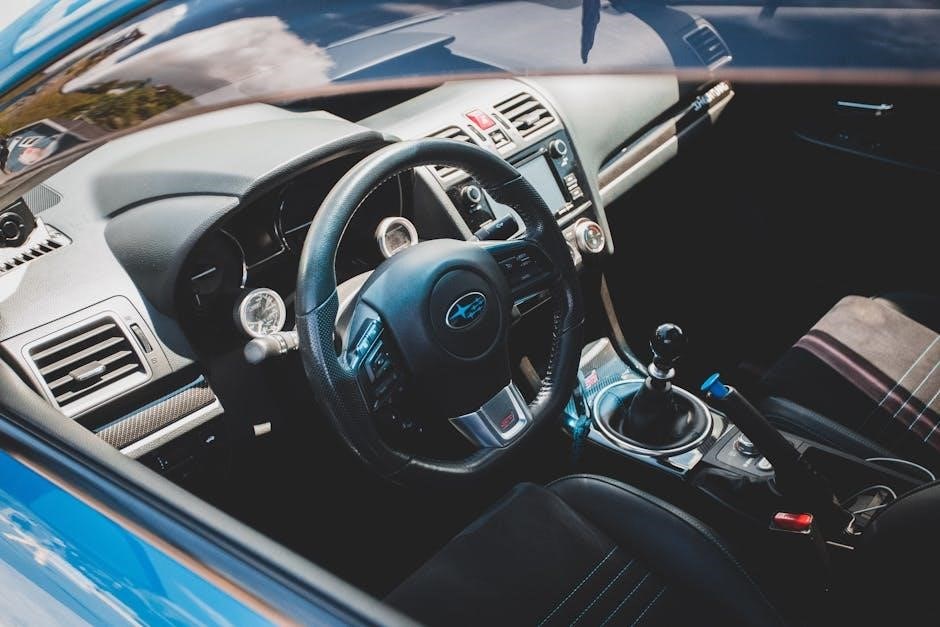
Pre-Driving Checks and Preparation
Before starting, adjust your seat for comfortable reach of pedals and steering wheel, and properly adjust mirrors for clear visibility – safety first!
Adjusting the Seat and Mirrors
Proper seat adjustment is crucial for comfortable and safe manual driving. Ensure you can fully depress the clutch pedal without straining your leg. Your back should be supported, and you should have a slight bend in your knees.
Next, adjust the mirrors. The rearview mirror should provide a clear view of the road behind. Side mirrors should be adjusted to minimize blind spots, allowing you to see lanes beside your vehicle. A quick glance should cover these areas efficiently. Correct mirror positioning enhances awareness and reduces the need to turn your head excessively.
Take your time with these adjustments; they significantly impact control and confidence when learning manual transmission.
Understanding the Pedals – Clutch, Brake, and Gas
The clutch, located furthest to the left, is unique to manual transmissions. It disengages the engine from the wheels, allowing gear changes. Fully depress it when shifting.
The brake pedal, in the middle, functions as in automatic cars – slowing or stopping the vehicle. Use it smoothly and progressively.
The gas pedal, on the right, controls engine speed. Coordinate it with the clutch for smooth starts and acceleration. Learning to balance these pedals is fundamental to mastering a manual car.
Practice identifying each pedal by touch before starting the engine.
Starting the Engine
Ensure the car is in neutral and the handbrake is engaged before turning the key. A smooth start requires mastering these initial steps for safety.
Finding Neutral
Locating neutral is crucial before starting the engine. With the clutch fully depressed, gently move the gear lever left and right; you’ll feel a loose, central position. This is neutral, where the engine isn’t connected to the wheels.
Confirming neutral prevents unexpected movement. Try gently rolling the car forward or backward (with the handbrake on, of course!). If it moves, you’re not in neutral. Practice finding neutral repeatedly until it becomes second nature, as it’s essential for starting, stopping, and avoiding stalls.
Using the Handbrake
The handbrake is your friend when learning manual! Always engage it fully before starting the engine, especially on any incline. This prevents rolling, giving you confidence to focus on clutch and gas coordination.
Utilize the handbrake for hill starts, holding the car stationary while you find the biting point. Gradually release the handbrake as you add gas and release the clutch. Practice this technique repeatedly to build muscle memory and prevent rolling backwards.
Getting Moving – The Biting Point
The “biting point” is where the clutch engages the engine, causing a slight shudder; finding it quickly is crucial for smooth starts and preventing stalls.
Finding the Biting Point
Locating the biting point is fundamental to driving a manual transmission vehicle. It’s the precise position where the clutch begins to engage the engine, transferring power to the wheels. You’ll feel a subtle change – a slight vibration or shudder – as the car wants to move forward.
Practice slowly releasing the clutch pedal until you recognize this sensation. Don’t rush; focus on feeling the connection. Repeatedly finding and holding the clutch at this point builds muscle memory. This skill is essential for smooth starts and avoiding unwanted stalling, especially for beginners.
Remember, the biting point varies between vehicles, so practice in your specific car is key.
Slowly Releasing the Clutch and Adding Gas
Once you’ve found the biting point, the next step is coordinated movement. Gently continue releasing the clutch pedal while simultaneously applying a small amount of pressure to the gas pedal. Aim for a tachometer reading of 1000-2000 rpm – a slight increase in engine speed.
Too little gas will cause the engine to stall, while too much can lead to clutch slippage and premature wear. The goal is a smooth, controlled engagement. Practice this coordination repeatedly in a safe, open space.
Focus on a gradual, synchronized release and gas application.
Preventing Stalling
Stalling is a common frustration for new manual drivers, but easily overcome with practice. It happens when the engine doesn’t receive enough gas as the clutch engages. Quickly reacting is key – depress the clutch pedal fully to disengage the engine and prevent a complete stop.
Then, restart the engine and try again, focusing on adding more gas as you release the clutch. Remember, finding the biting point and coordinating gas application are crucial.
Don’t be discouraged by stalls; they are a learning opportunity!
Shifting Gears – Upshifting
Smooth upshifts require coordinating clutch depression and gear lever movement, while simultaneously adding gas to maintain momentum and prevent jerking during transitions.
Coordinating Clutch and Gear Lever
Successfully upshifting hinges on precise timing between the clutch and gear lever. As you depress the clutch pedal smoothly, simultaneously move the gear lever into the next higher gear.
Avoid releasing the clutch before fully engaging the new gear; this causes grinding. Practice this motion repeatedly until it becomes fluid and instinctive.
Remember to apply a small amount of gas while releasing the clutch – typically around 1000-2000 rpm – to prevent stalling and ensure a seamless transition.
Minimizing the time spent with the clutch disengaged reduces wear and tear on the clutch components.
Smooth Gear Changes
Achieving smooth gear changes requires a delicate balance of clutch control, gas application, and precise gear lever movement. The goal is to minimize jerkiness and maintain vehicle momentum.
Focus on releasing the clutch gradually while simultaneously applying gentle pressure to the gas pedal. Avoid abrupt movements; smoothness is paramount.
Practice coordinating these actions until they become second nature. A smooth change feels almost imperceptible to passengers, indicating mastery of the technique.
Remember, minimizing clutch engagement time prolongs its lifespan.
Rev Matching Basics
Rev matching is a technique to synchronize engine speed with the selected gear, resulting in smoother downshifts and reduced stress on the drivetrain. It’s often overlooked but incredibly important.
Before downshifting, briefly “blip” the throttle to raise the engine RPMs to match the speed of the lower gear. This minimizes the shock when the clutch engages.
Listen to the engine; the goal is to have the RPMs aligned.
Mastering rev matching enhances control and prolongs clutch life, offering a more refined driving experience.
Downshifting – Slowing Down
Downshifting provides engine braking and prepares for corners or stops, requiring coordinated clutch work and throttle control for smooth transitions and optimal vehicle control.
The Importance of Rev Matching
Rev matching is crucial for seamless downshifts, minimizing jolts and maintaining vehicle stability. It involves briefly increasing engine speed with the throttle before engaging a lower gear.
This aligns the engine’s rotational speed with the wheel speed in the new gear, reducing stress on the drivetrain and creating a smoother, more controlled deceleration.
Ignoring rev matching leads to jerky transitions and potential damage. Mastering this technique enhances driving finesse and demonstrates a deeper understanding of manual transmission dynamics, improving overall control.
Downshifting for Control
Downshifting isn’t just about slowing down; it’s about gaining control. Selecting a lower gear provides engine braking, supplementing the brakes and enhancing stability, especially during cornering or descending hills.
Proper downshifting allows you to maintain the optimal power band for acceleration out of corners or when needing a quick burst of speed.
Combined with rev-matching, downshifting becomes a refined skill, offering precise control over the vehicle’s speed and responsiveness, ultimately improving safety and driving enjoyment.
Hill Starts
Hill starts require coordinating the handbrake, clutch, and gas, preventing rollback while finding the biting point and smoothly accelerating uphill for confident control.
The handbrake is a crucial tool, especially for beginners, providing a temporary hold against gravity on inclines. Engage the handbrake firmly before finding the biting point, allowing you to focus on coordinating the clutch and gas without fear of rolling backward.
As you feel the engine begin to pull, slowly release the handbrake while simultaneously increasing gas input. This coordinated action prevents stalling and ensures a smooth, controlled start. Practice this technique repeatedly in a safe environment to build muscle memory and confidence.
Remember to fully disengage the handbrake once you’re moving to avoid unnecessary wear and potential damage.
Coordinating Clutch, Gas, and Handbrake
Hill starts demand precise coordination of all three controls. Begin by engaging the handbrake to prevent rollback. Find the biting point with the clutch, feeling for the engine to slightly shudder.
Simultaneously, gently apply gas, aiming for 1000-2000 rpm. As you feel the engine pulling forward, smoothly release the handbrake while continuing to increase gas and modulate the clutch.
Practice makes perfect; focus on a fluid motion, avoiding jerky movements. This technique builds confidence and prevents stalling on inclines.
Common Mistakes and How to Avoid Them
Frequent stalling stems from insufficient gas or abrupt clutch release; practice smooth coordination. Riding the clutch causes wear, while jerky shifts indicate poor timing.
Stalling Frequently
Stalling is incredibly common when learning manual, so don’t be discouraged! It usually happens due to a lack of sufficient gas while releasing the clutch, or releasing the clutch too quickly.
Focus on finding that “biting point” – the moment the car begins to shudder – and gently adding gas simultaneously.
Practice slowly releasing the clutch while applying a small amount of gas, aiming for a smooth transition.
Remember, minimal stalling builds confidence, especially when practicing on gravel roads, offering a more forgiving surface for beginners.
Riding the Clutch
“Riding the clutch” means partially depressing the clutch pedal for extended periods, which creates unnecessary wear and tear on the clutch components.
Avoid using the clutch as a substitute for the brake, especially when holding the car on hills or in traffic.
Fully disengage the clutch when shifting gears and release it promptly once engaged.
Minimize the time spent with your foot hovering between the brake and clutch, as this accelerates clutch wear and reduces driving efficiency.
Jerky Gear Changes
Jerky gear changes often stem from a lack of coordination between the clutch pedal, gas pedal, and gear lever movements.
Smooth transitions require a delicate balance: fully depressing the clutch, selecting the next gear, and simultaneously releasing the clutch while gently applying gas.
Practice rev matching – briefly increasing engine RPMs before engaging the next gear – to minimize the shock and create a seamless shift.
Avoid rushing the process; focus on controlled, deliberate movements for a smoother, more comfortable driving experience.
Advanced Techniques
Refine your skills with heel-toe downshifting for performance driving, and understand “rev hang” – the delay in engine RPMs dropping during gear changes – for precision.
Heel-Toe Downshifting
Heel-toe downshifting is an advanced technique used primarily in performance driving, allowing for smoother and faster downshifts while maintaining vehicle balance. It involves simultaneously braking with the ball of your foot and “blipping” the throttle with your heel.
This “blip” raises the engine RPMs to match the lower gear, reducing the shock transmitted through the drivetrain when you release the clutch. Mastering this requires significant practice, coordinating precise footwork and timing. It’s beneficial for corner entry, providing stability and control, but isn’t essential for everyday driving.
Rev Hang Explained
“Rev hang” refers to a delay in engine RPMs dropping when you release the throttle, often noticeable in modern vehicles with drive-by-wire throttles. This phenomenon can make smooth downshifts challenging, as the engine doesn’t immediately respond to gear changes.
It’s caused by the engine control unit (ECU) momentarily holding the throttle open to maintain stability. Understanding rev hang is crucial for timing downshifts correctly; anticipate the delay and adjust your technique accordingly. Minimizing clutch time helps mitigate its effects.
Practicing in Different Environments
Progress from empty parking lots to quiet roads, then cautiously explore gravel surfaces for confidence-building practice, mastering control in varied conditions.
Empty Parking Lots
Begin your manual driving journey in a spacious, empty parking lot. This provides a safe, low-pressure environment to familiarize yourself with the car’s controls without the stress of traffic. Focus initially on finding the biting point – that sweet spot where the clutch engages and the car begins to move.
Practice smooth starts and stops, coordinating the clutch and gas pedal. Don’t worry about speed; concentrate on preventing stalls and achieving a fluid motion. Repeated practice here builds muscle memory and confidence before venturing onto public roads. Patience is key, and remember, everyone stalls at first!
Quiet Roads
Once comfortable in a parking lot, progress to quiet residential roads with minimal traffic. This introduces real-world driving scenarios at a manageable pace. Practice upshifting through the gears, focusing on smooth transitions and coordinating the clutch and gear lever.
Pay attention to maintaining a consistent speed and anticipating stops. Begin practicing gentle downshifting as you approach intersections or slow down. Remember to scan your surroundings and maintain a safe following distance. These roads offer a less intimidating environment to refine your skills.
Gravel Roads for Beginners
Surprisingly, gravel roads can be excellent for learning manual transmission. The loose surface provides a natural buffer, reducing the severity of stalls and making them less discouraging for new drivers. Minimal stalling builds confidence, allowing focus on clutch control and gear selection.
The reduced grip also encourages gentler inputs, fostering a smoother driving style. Practice finding the biting point and releasing the clutch slowly. Be mindful of maintaining control and avoiding sudden movements on the uneven surface.
Maintaining Your Clutch
Avoid “riding” the clutch and excessive slipping to prevent burnout. Recognize signs of wear – slippage, difficulty shifting – and address them promptly for longevity.
Avoiding Clutch Burnout
Clutch burnout occurs from excessive friction, generating heat and wearing down the clutch disc. Beginners often experience this while learning the biting point, applying too much gas before fully releasing the clutch.
Minimize time spent with the clutch partially engaged. Fully depress the clutch when shifting and release it smoothly once the gear is selected. Avoid resting your foot on the clutch pedal while driving, as this causes constant, unnecessary wear.
Gentle acceleration and controlled starts are crucial. While a little clutch slip is inevitable during learning, consistent abuse will significantly shorten its lifespan and lead to costly repairs.
Recognizing Clutch Wear
Identifying clutch wear early can prevent unexpected breakdowns and costly repairs. A common sign is a higher engagement point, requiring you to lift your foot further before the clutch bites. Slipping, where the engine revs without corresponding acceleration, is a key indicator.
Unusual noises, like squealing or grinding during gear changes, can also signal wear. A burning smell often accompanies severe clutch slip. Difficulty selecting gears, particularly first or reverse, may also occur.
Regular inspection by a mechanic is recommended, especially if you notice any of these symptoms. Proactive maintenance extends the clutch’s life and ensures safe driving.
The Benefits of Manual Transmission Control
Manual transmissions provide a heightened connection to the vehicle, offering greater driver engagement, precise control, and a more immersive, enjoyable driving experience overall.
Increased Driver Engagement
Driving a manual car transforms you from a passenger into an active participant. Unlike automatic transmissions, you’re directly involved in controlling the vehicle’s power and speed, demanding constant attention and coordination. This active role fosters a deeper understanding of how the car functions, enhancing your connection to the driving experience.
The need to consciously select gears and manage the clutch keeps you fully present, minimizing distractions and maximizing focus on the road. This heightened awareness translates to a more rewarding and satisfying drive, making every journey more engaging and enjoyable.
Greater Vehicle Control
Manual transmissions offer a level of control often absent in automatic vehicles. You dictate precisely when the car shifts, allowing for tailored responses to varying road conditions and driving situations. This is particularly valuable when navigating challenging terrain or requiring precise speed adjustments.
Downshifting provides engine braking, enhancing control during descents or when slowing down, while the ability to select a specific gear offers greater command over acceleration. Mastering these techniques empowers you to confidently handle diverse driving scenarios.
Resources for Further Learning
Explore online tutorials and videos for visual guidance, alongside dedicated driving manual books to deepen your understanding of manual transmission techniques and best practices.
Online Tutorials and Videos
Numerous platforms offer comprehensive video tutorials specifically designed for learning manual transmission. YouTube channels frequently demonstrate techniques, from finding the biting point to executing smooth gear changes and mastering hill starts.
Search for “how to drive a manual vehicle” or “manual transmission beginner’s guide” to access a wealth of content. Look for videos showcasing real-world examples, like the 2007 Volvo C30 example, to visualize the process.
These resources provide a visual aid, complementing written guides and in-person lessons, accelerating your learning curve and building confidence behind the wheel.
Driving Manual Books
While digital resources abound, traditional driving manuals remain valuable tools for mastering a manual transmission. These books often provide a structured, in-depth explanation of the mechanics and techniques involved, offering a foundational understanding beyond quick video guides.
Look for titles specifically addressing manual driving, detailing pre-driving checks, clutch control, gear shifting, and troubleshooting common issues like stalling.
Complementing practical lessons, a well-written manual serves as a reference guide, reinforcing concepts and providing a tangible resource for continued learning and skill refinement.